
The psychology behind why we gamble at casinos
The thrill of uncertainty
One of the core reasons people gamble is the thrill of the unknown. The uncertainty of winning or losing creates an adrenaline rush that many find addictive. When players step into a casino, they are often seeking excitement that everyday life may not provide. This uncertainty can trigger feelings of joy or disappointment, influencing a player’s mood significantly.
The randomness of games like slot machines and roulette offers a unique appeal. Each spin or roll presents a fresh opportunity, pulling gamblers into a cycle of hope. This cycle often keeps players coming back for more, further feeding the excitement surrounding uncertainty, and creating an emotional rollercoaster that is both thrilling and enticing. best online casino australia might also integrate these aspects into their virtual experiences, ensuring players feel that same rush in an online setting.
Social dynamics in gambling
Casinos are not just places to gamble; they’re social environments. Many individuals enjoy the camaraderie that accompanies gaming. The shared experience of winning or losing can create a sense of connection among players, enhancing the overall experience. Social interactions at card tables or slot machines can lead to friendships and lively conversations, making the casino feel like a community.
Moreover, this social aspect can serve as a form of escapism. For some, participating in a game allows them to break away from everyday responsibilities and stresses. Engaging in banter with fellow players or simply immersing oneself in the vibrant atmosphere helps reduce feelings of loneliness, making gambling even more appealing.
The allure of rewards
Casinos are designed to stimulate the senses, from flashing lights to enticing sounds. This is often coupled with the prospect of immediate rewards, which taps into the human desire for instant gratification. Winning a game, no matter how small the prize, can provide a rush of dopamine – the brain’s feel-good chemical, reinforcing the idea that gambling is rewarding.
This design psychology emphasizes positive reinforcement. The more someone wins, the more likely they are to keep gambling, as each small victory encourages continued play. Casinos effectively exploit this reward system, fostering an environment where optimistic thinking thrives. Gamblers may convince themselves that their next big win is just around the corner, leading them to play longer than intended.
Risk-taking behaviors
Another fascinating aspect of gambling psychology is the concept of risk. People are often drawn to high-stakes environments because they provide an opportunity to test their limits. The challenge inherent in games of chance appeals to those who enjoy competing against odds. Many gamblers revel in the idea of beating the system, which is a compelling motivator for continued participation.
Furthermore, the normalization of risk-taking in gambling can lead to irresponsible behavior. As players become more engrossed, they may ignore the consequences of their actions. The thrill of holding the cards, rolling the dice, or pressing the button can overshadow the potential financial toll, creating a dangerous cycle of behavior that often goes unchecked.
The role of online casinos
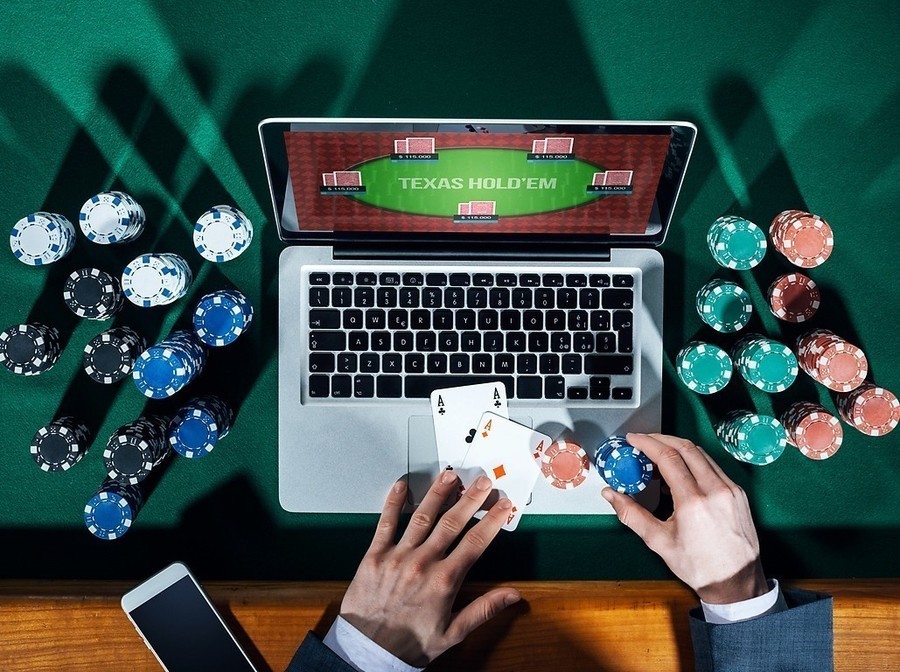
With the rise of digital technology, many gamblers have turned to online casinos. These platforms replicate the excitement of actual casinos but with added convenience. Players can enjoy their favorite games from the comfort of their homes, which can intensify the psychological factors behind gambling.
Online casinos benefit from the same psychological triggers that physical ones do, including the thrill of uncertainty and reward systems. Many even incorporate social features, allowing players to interact with friends or other users online. This modern twist makes gambling more accessible and enticing, contributing to the continuing evolution of gambling psychology. Understanding these elements can be critical for players looking to cultivate responsible gaming habits.