
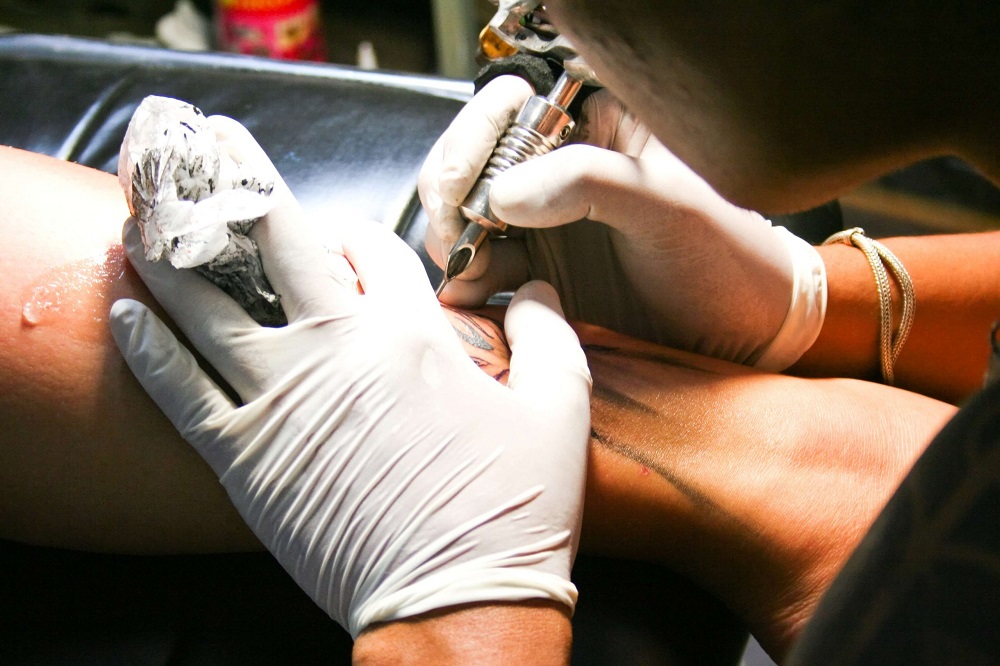
Alcohol is a blood thinner, which means it can increase bleeding during the tattooing process. Increased bleeding can make it more challenging for the tattoo artist to work and may dilute the ink, leading to less vibrant colors. Drinking alcohol thins your blood and causes excessive bleeding during and after your tattoo. The increased bleeding inhibits your tattoo artist’s visibility, as they ink your tattoo design. The last thing you want is a jacked up tattoo, but even worse, you’re prolonging your recovery. The thinning of your blood prevents blood cells from clotting, inhibiting your body’s natural ability to scab, and ultimately heal.
Recovery Tattoo Ideas with Meaning
If you wish to get a tattoo representing your journey of recovering from alcohol addiction, consider this design. Most alcohol sobriety tattoos may depict a shattered alcohol bottle or glasses with spilled alcohol. For a dramatic effect, one may show a phoenix rising out of it to show the progress towards sobriety.
What are the Health Risks of Drinking 24 Hours Before Getting a Tattoo?
This nape tattoo showcases a skull with a banner that reads ‘Sober 2016’. Similarly, other elements like mountains that represent resilience, phoenixes symbolizing rebirth, etc., can also be incorporated into more awe-inspiring tattoos for men. You may also put a new beginning tattoo as a powerful symbol of your journey towards a more enhanced and beautiful life, adding a fresh perspective to your sobriety journey. Remember, a beautiful tattoo is not just about the design—it’s also about caring for your body and following best practices for a successful healing process. First and foremost, drinking alcohol before getting a tattoo is generally not recommended.
Popular Products
People often choose to ink inspirational quotes, symbols of resilience, or meaningful images that have helped them along the way. Furthermore, brief, simple phrases are also ideal for people in recovery. “Fake it until you make it,” for example, is a multifaceted slogan that is often ideal for those in early recovery. “Breathe in, breathe out, move on,” also serves as an inspiration to those who are attempting to move forward from addiction. Whether adopted as internal icons of recovery, or by the growing number of people who adopt addiction recovery tattoos, these images all hold stark power to remind us of the path out of darkness.
Proper hydration is essential for skin health, and you want your skin to be in the best condition possible for the tattooing process. Dry skin can lead to complications during healing and affect the overall appearance of the tattoo. In this comprehensive guide, we’ll explore whether you can drink alcohol before getting a tattoo, the risks involved, and how alcohol can affect the tattoo healing process afterward. We’ll also provide actionable advice on how long to wait before drinking again and the potential risks of consuming alcohol immediately after getting inked. By the end of this post, you’ll have a clear understanding of how to advise your clients for the best possible outcomes.
Symbols
- If you’ve already had alcohol too soon, don’t stress—but you do need to take it seriously.
- If you love to party on the weekends, consider getting your tattoo on a Sunday afternoon or evening and take the work week to rest up.
- I love turning trends and everyday finds into something useful (and fun) for real people.
- For many, this includes incorporating specific elements that signify pivotal moments of change, realization, or support that have marked their recovery journey.
Consider designs that can accommodate future additions, allowing you to mark significant anniversaries of your sobriety date. This forward-thinking approach creates anticipation for future celebrations while honoring your current achievement. Do a 3D Virtual Try-On to see how your tattoo design looks like on your body before you get it tattooed.
These places are the forearm, inside of the wrist, back, or side of the chest. Your sobriety tattoos can include anything from a simple cross or rosary to the heavenly gates. Getting this sobriety tattoo is a constant reminder of the effort that you must make and the steps that you must take to lead a sober life.
Sobriety tattoos act as perpetual reminders of an individual’s commitment to a life free from the grips of addiction. These pieces of art are not simply decorations but serve as deep personal affirmations of one’s sobriety and the ongoing commitment to a healthier lifestyle. Such tattoos often feature the date of sobriety, which serves as a daily prompt of the moment one decides to make a significant change for the better. Sober living programs, like those offered by the RECO Institute, are critical steps in the journey toward lifelong sobriety.
- The symbols of recovery are essential because they’re a way to identify yourself as someone trying to improve your life.
- Lengthening your healing time can make your tattoo more prone to infection since the scabs can’t protect it as quickly.
- I am a passionate advocate in the behavioral healthcare space, placing a strong emphasis on de-stigmatizing substance use and mental health disorders.
What Happens to Your Skin When You Get a Tattoo?
Some artists recommend running the area under water while you peel back the adhesive layer. If you’ve already removed your dressing, continue to wash your tattoo once or twice a day. How quickly you heal depends on the size of your tattoo and how intricate it is. Bigger tattoos will stay red and swollen longer because they cause more trauma to your skin.
Clothing Fashion Brands with Mental Health Awareness
It’s not always obvious right away, but over the next day or two, you might see signs that things aren’t healing the way they should. If you’ve already had alcohol too soon, don’t stress—but you do need to take it seriously. Drinking alcohol after a tattoo can slow the healing process, especially if you drank heavily or right after getting inked. If your tattoo is in a high-friction area like your arm, ribs, or ankle, healing might take longer. In these cases, drinking alcohol recovering alcoholic tattoo after a tattoo adds even more stress to the skin and slows progress. For those who are unfamiliar with the world of addiction and recovery, these tattoos can hold deeper meanings than just a simple symbol.
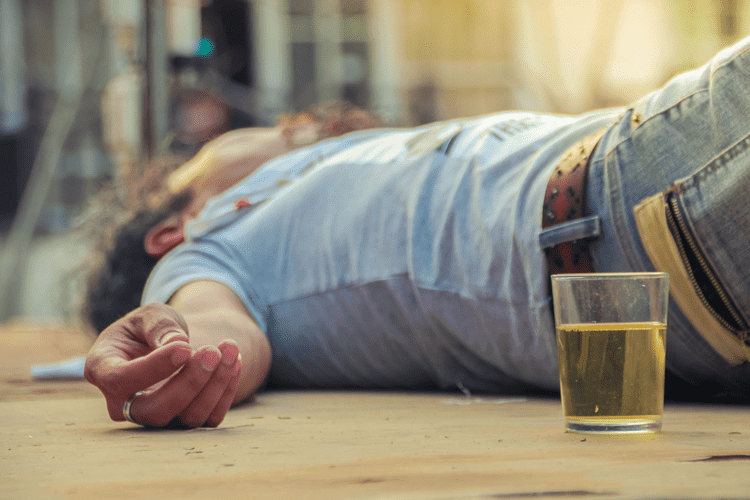
Let’s face it, the reason we’re covering this topic is because normal alcohol consumption allows us to relax, especially under stress or potentially painful situations. Drinking lowers your inhibition, impairs judgement, and increases the risk of aggressive behaviors, endangering your health and your tattoo artist. Remember, what think is a good idea for a tattoo when you are drunk, may not seem very funny to you when you sober up. Read on to discover why teetotaling helps your body prepare to get and drug addiction heal a new tattoo safely and effectively. Sobriety tattoos serve as a permanent reminder for people to maintain their commitment to sober living. The daily reminder inked on their bodies helps reinforce recovery goals (Source).
Recovery Sobriety Symbols & Tattoos
The first 24 to 48 hours after getting a tattoo are crucial for initial healing. During this time, your body forms a protective layer over the tattooed area, which helps prevent infections and sets the stage for proper healing. Avoiding alcohol during this period ensures that your body can focus on repairing the skin without any hindrance. Like how tattoos thin your blood, other blood thinner medications like ibuprofen and aspirin can have similar effects. A light, protein-rich snack like nuts, a quinoa bowl, or a grilled chicken salad will keep your blood sugar levels stable throughout your session. It’s best to wait six to eight weeks for your tattoo to fully heal before you https://ecosoberhouse.com/ drink.