
Exploring the cultural significance of gambling across various societies
The Historical Roots of Gambling
The history of gambling can be traced back thousands of years, deeply intertwined with the development of human civilization. Archaeological evidence suggests that ancient societies, such as the Chinese, engaged in gambling activities as early as 2300 BC. These early forms of betting often involved simple games of chance, reflecting the human fascination with luck and fortune. As civilizations evolved, so did gambling, morphing into various forms and practices that reflected the values and beliefs of the respective cultures. For a contemporary look at gambling, you might explore Lucky Dreams and how it fits into modern practices.
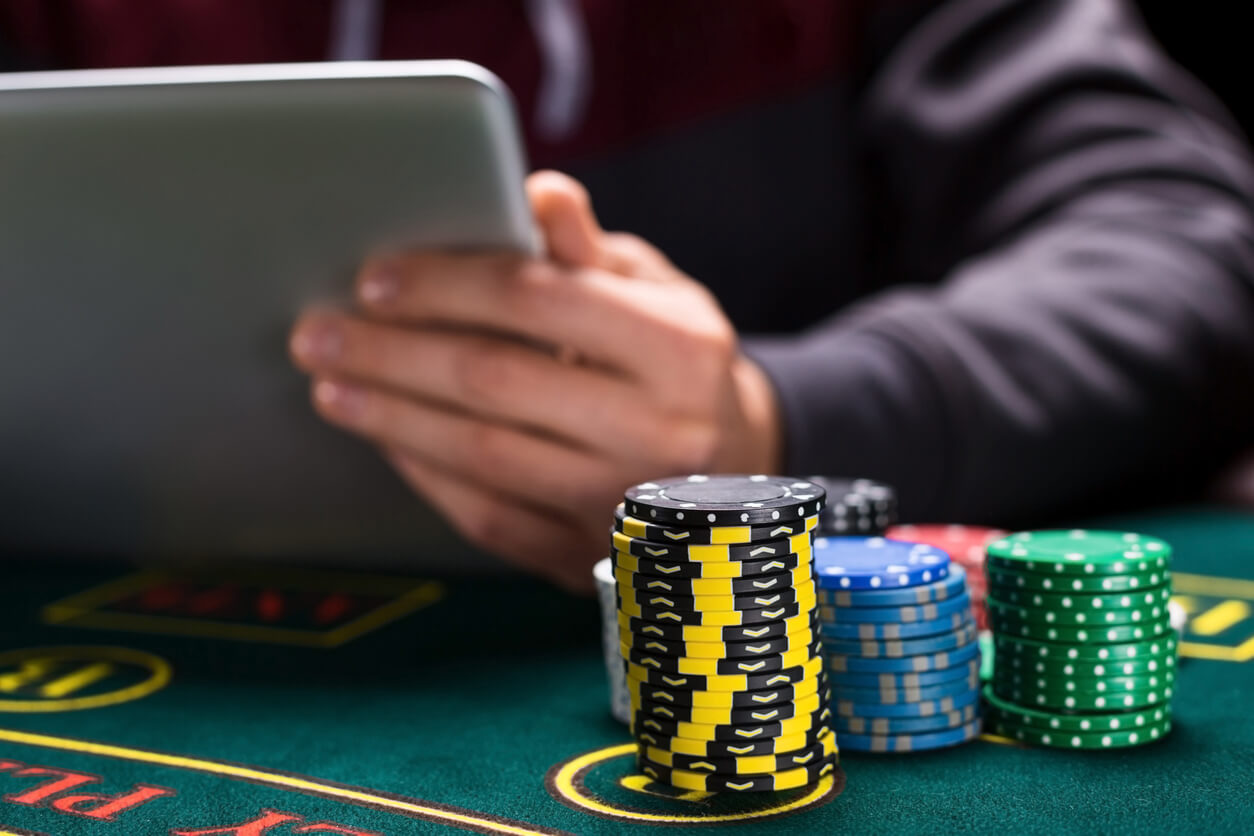
In ancient Rome, for example, gambling was not only a popular pastime but also a social activity that fostered communal ties. Romans would bet on chariot races, gladiatorial contests, and various games, often considering these activities a part of their cultural fabric. Similarly, in India, the game of Chaturanga, an ancient strategy board game, showcased the blend of gambling and skill, becoming an integral part of their history. Such historical perspectives illustrate how gambling has always served to connect individuals within their societies.
As we move through history, the evolution of gambling practices reflects shifts in societal norms and values. During the Middle Ages in Europe, gambling faced restrictions as the church condemned the practice, viewing it as immoral. However, despite these challenges, gambling continued to thrive, leading to the establishment of state-run lotteries and casinos in the modern era. This resilience indicates that gambling is more than mere entertainment; it is a significant cultural artifact that highlights the complexities of human nature across various societies.
Gambling and Economic Influence
Gambling has long served as a catalyst for economic development, influencing not only individual fortunes but also the broader economy of various societies. For instance, in contemporary settings, jurisdictions that legalize gambling often experience significant economic benefits through job creation, tourism, and tax revenues. Casinos attract visitors, boosting local businesses, from hotels to restaurants, and fostering a vibrant economy. This economic impact is evident in cities like Las Vegas and Macau, where gambling drives tourism and creates a unique cultural identity.
Moreover, the economic implications of gambling are multifaceted, extending beyond immediate financial gains. In many societies, gambling helps generate public funds that are redirected toward social services such as education and healthcare. In places like Singapore, profits from gaming operators are utilized to fund social programs and infrastructure development, showcasing a strategic approach to harnessing gambling revenues for societal good. This symbiotic relationship between gambling and economic growth indicates a deeper cultural recognition of gambling’s role in shaping societal progress.
However, the economic advantages of gambling come with significant social responsibilities. Issues such as gambling addiction and its consequences necessitate a balanced approach to regulation. Societies must weigh the economic benefits against potential social harms, ensuring that gambling operates in a manner that promotes both economic prosperity and public welfare. Understanding this balance is crucial for creating sustainable gambling practices that benefit society as a whole.
Cultural Perspectives on Gambling
Cultural attitudes toward gambling vary widely, influenced by historical, religious, and social factors. In some cultures, gambling is viewed as a legitimate form of entertainment and a social activity, while in others, it is stigmatized and frowned upon. For instance, in many parts of Asia, gambling is deeply rooted in tradition and is often associated with festivals and celebrations. The Chinese New Year, for example, sees families gathering to play games that involve betting, blending cultural significance with the thrill of chance.
Conversely, in Western societies, gambling has been both embraced and criticized. While cities like Las Vegas celebrate gambling as a form of adult entertainment, many religious groups argue against it, citing moral objections. This dichotomy highlights the complexities of cultural perceptions surrounding gambling, revealing how values and beliefs shape societal attitudes. Moreover, gambling’s portrayal in media—through films, literature, and advertising—further reflects these cultural nuances, influencing how individuals view and engage with the practice.
Understanding these cultural perspectives is essential in grasping the broader significance of gambling across societies. As globalization continues to influence cultural exchanges, the traditional views surrounding gambling are evolving, leading to new interpretations and practices. This dynamic interplay illustrates how gambling not only reflects the values of a society but also serves as a conduit for cultural exchange and adaptation.
The Psychological Appeal of Gambling
The psychological aspects of gambling play a crucial role in its cultural significance, as individuals are drawn to the thrill of risk and the allure of potential rewards. The sensation of winning, even if only occasionally, can create a powerful psychological reinforcement, encouraging players to engage repeatedly. This phenomenon is supported by research in behavioral psychology, which suggests that the unpredictable nature of gambling can lead to addictive behaviors, as players chase the ‘high’ of a win.
Moreover, gambling often fulfills various psychological needs, including the desire for social interaction, escape from daily stresses, and the excitement of competition. Games such as poker or blackjack are not merely about luck; they also involve strategy and skill, appealing to individuals’ intellectual engagement. In many societies, gambling acts as a social connector, bringing people together in shared experiences that foster relationships and community bonds.
However, the dark side of this psychological allure cannot be ignored. Many individuals struggle with gambling addiction, which can lead to devastating consequences for both the individual and their community. Understanding the psychological factors that drive gambling behavior is essential in developing effective support systems and prevention programs. Societal recognition of these issues is crucial in promoting responsible gambling practices that prioritize mental health and well-being.

Lucky Dreams: A Modern Reflection of Gambling Culture
In the modern landscape, online platforms like Lucky Dreams Australia illustrate the evolving nature of gambling and its cultural significance. Catering specifically to Australian players, these platforms offer a diverse array of games, highlighting the shift toward digital entertainment and accessibility. With over 2,600 games, including slots and live dealer options, online casinos have made gambling more inclusive, allowing players from various backgrounds to engage in this age-old practice.
Moreover, platforms like Lucky Dreams provide an opportunity for responsible gaming through features that promote safe gambling habits. With support for various payment methods, including cryptocurrency, these online casinos reflect the current trends in technology and finance, merging them with traditional gambling practices. This integration illustrates how modern gambling is adapting to cultural shifts, ensuring that it remains relevant in today’s fast-paced world.
Finally, as Lucky Dreams emphasizes customer support and user experience, it represents a broader cultural recognition of the importance of responsible gambling. This commitment to safe gaming indicates a growing awareness of the potential risks associated with gambling, aiming to create a balanced approach that fosters enjoyment while prioritizing player welfare. As gambling continues to evolve, platforms like Lucky Dreams play a pivotal role in shaping the future of this culturally significant practice.